Top Benefits of Using PVC Film Sheet in Various Applications?
The versatility of PVC Film Sheet makes it a crucial material in various industries. According to Sarah Thompson, a leading expert in the PVC industry, "PVC Film Sheets offer unparalleled durability and flexibility for countless applications." This statement underscores the significant advantages of using PVC Film Sheets.
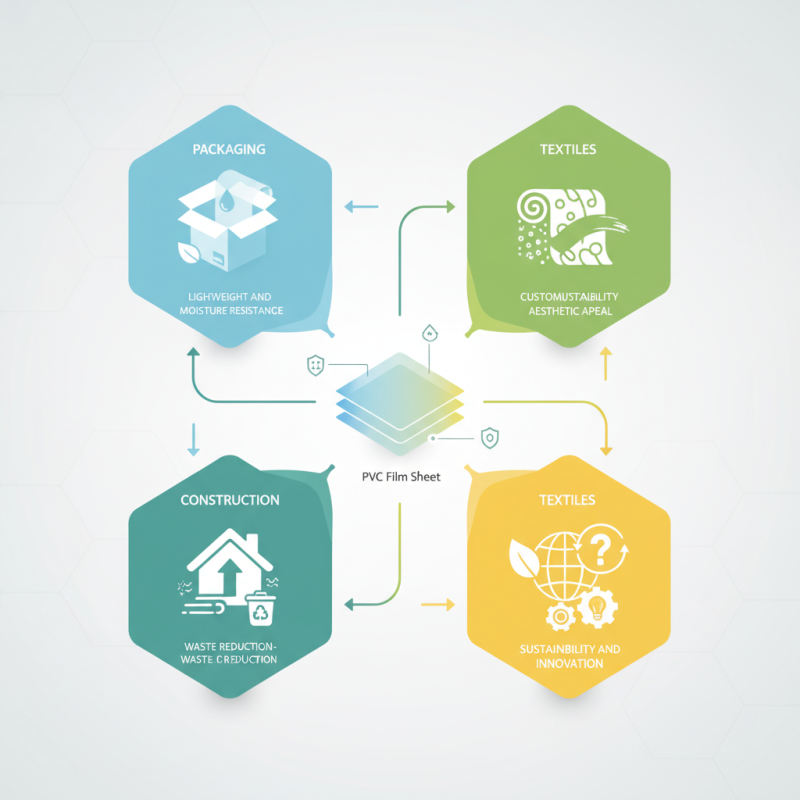
In packaging, the lightweight nature of PVC Film Sheets ensures better efficiency. They are moisture-resistant, providing excellent protection for products. For construction, these sheets are highly valued. They can contribute to energy efficiency and reduce waste during projects. However, despite their benefits, some critiques arise regarding environmental concerns.
In the realm of textiles, PVC Film Sheets add a unique aesthetic appeal. They can be easily printed on and customized for different designs. Yet, one must ponder the long-term sustainability of using PVC materials. As industries evolve, embracing innovation alongside environmental responsibility becomes paramount.
Introduction to PVC Film Sheets: Definition and Key Characteristics
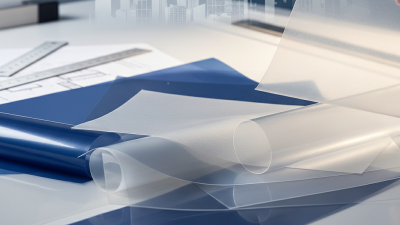
PVC film sheets are versatile materials widely used in numerous applications. These sheets are made from polyvinyl chloride, a durable thermoplastic. They are lightweight and can be produced in various thicknesses and finishes. This makes them suitable for different needs, such as packaging, printing, and construction.
One key characteristic of PVC film sheets is their excellent moisture resistance. This property ensures that products remain protected from environmental factors. Additionally, PVC is easy to clean and maintain, which is crucial in healthcare and food industries. The clarity and gloss of these sheets enhance visual appeal, making them popular in display and signage applications.
While PVC film sheets offer many benefits, there are also concerns. Their production process can involve harmful chemicals. It's vital to consider recycling options and the environmental impact associated with the disposal of PVC materials. Awareness of these issues is crucial for responsible usage. Balancing the benefits and drawbacks allows for better material choices in various projects.
Versatile Applications of PVC Film Sheets Across Different Industries
PVC film sheets are gaining popularity across various industries due to their versatile applications. From
packaging to construction, these sheets offer exceptional durability. They are resistant to moisture, chemicals, and
UV light, making them suitable for diverse environments.
In the packaging sector, PVC film sheets provide an excellent barrier. They keep products fresh and safe from contamination. Many manufacturers prefer PVC for its
lightweight nature. It is easier to transport and reduces shipping costs. However, users should be mindful of the environmental effects of PVC.
Recycling options are limited, which is a critical consideration.
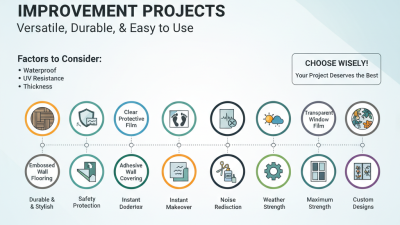
Tips: Always check the thickness of the film for your specific needs. Thicker sheets provide better durability. Also, consider the application method.
Different techniques may affect the performance of the film. In construction, PVC film sheets can be used for window insulation.
They help in energy conservation but can be less visually appealing. Finding a balance between aesthetics and functionality is vital.
Advantages of PVC Film Sheets in Packaging and Protection Solutions
PVC film sheets have transformed the packaging and protection sectors, offering a range of benefits. Their flexibility makes them ideal for diverse applications. In packaging, these sheets provide a moisture barrier, safeguarding products from external damage. They can be heat-sealed, ensuring a durable closure. This feature is essential in food packaging, where freshness is paramount.
Another significant advantage is their cost-effectiveness. PVC film sheets are generally less expensive than alternative materials. This affordability allows businesses to reduce packaging costs while maintaining quality. However, some users might worry about the environmental impact of PVC. It is crucial to consider recycling options when choosing materials.
Moreover, PVC film sheets are highly resistant to chemicals and UV light. This resistance enhances the longevity of the products they enclose. Different thickness levels cater to various needs, from lightweight wraps to sturdy coverings. This adaptability can lead to imperfect applications if not properly assessed, resulting in over-engineered packaging solutions. Balancing performance and cost is an ongoing discussion in the industry.
Environmental Considerations of Using PVC Film Sheets
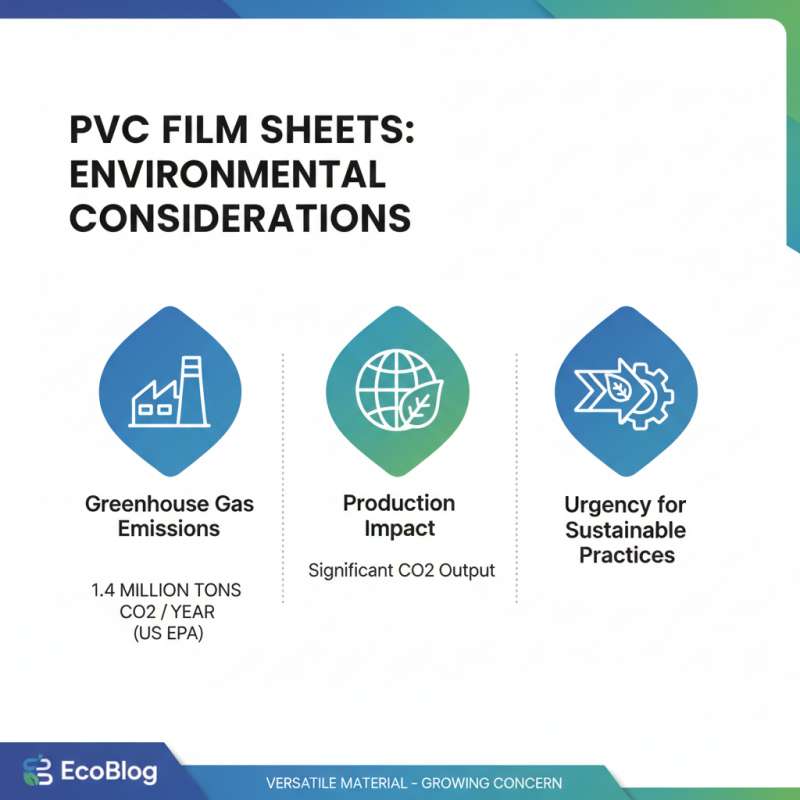
PVC film sheets are increasingly popular due to their versatility, but environmental concerns cannot be overlooked. Reports indicate that PVC production emits significant amounts of greenhouse gases. For example, the US Environmental Protection Agency (EPA) noted that production emits over 1.4 million tons of CO2 annually. This highlights the urgency of finding more sustainable practices in the industry.
The recycling rate of PVC is still low. According to the European Commission, only about 21% of PVC is recycled, leading to a concerning amount of waste. Enhancing recycling technologies could improve this situation. Efforts to use bio-based additives are being explored, but these solutions are not yet widespread.
Tips: When selecting PVC products, consider long-term environmental impacts. Look for manufacturers that prioritize sustainability. Support initiatives to improve recycling processes to reduce waste. Balancing usage with environmental responsibility is essential. Continuous improvement in PVC technology is needed, reflecting on current practices is vital for a more sustainable future.
Future Trends and Innovations in PVC Film Sheet Technology
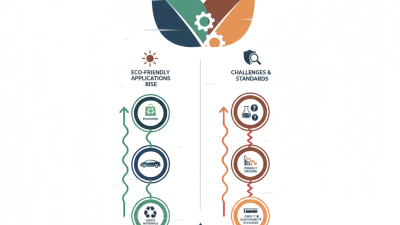
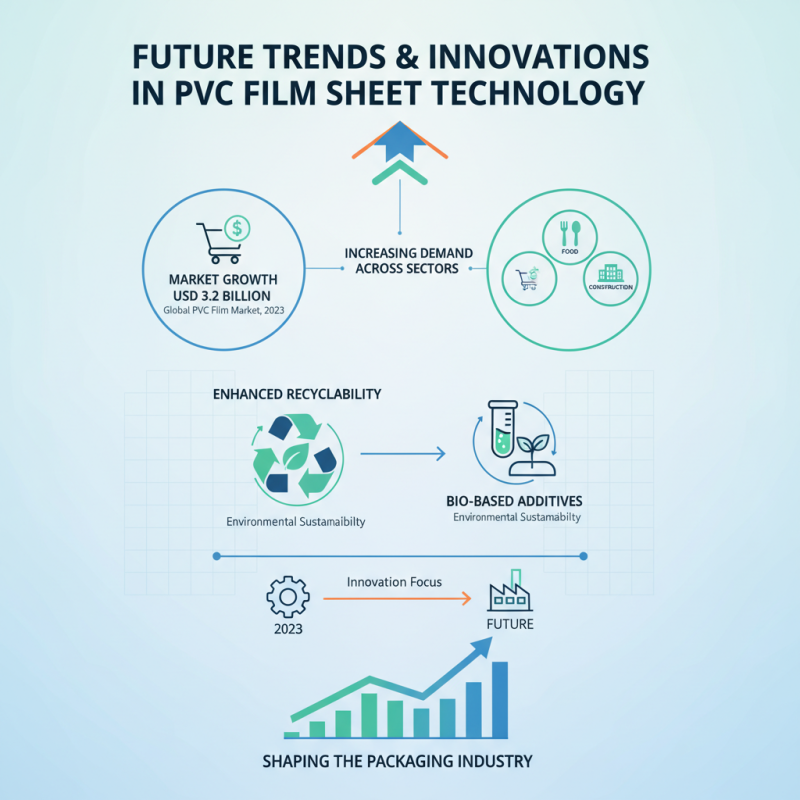
The future of PVC film sheet technology is shaping the packaging industry significantly. As of 2023, the global PVC film market is projected to reach USD 3.2 billion. This steady growth indicates increasing demand across various sectors, including food, medical, and construction. Recent innovations focus on enhancing the material's recyclability. Manufacturers are exploring bio-based additives to improve environmental sustainability.
Emerging trends involve advanced printing technologies that allow high-resolution designs on PVC sheets. This capability caters to the growing consumer preference for customized packaging solutions. Additionally, integration with smart technologies can elevate PVC applications. Incorporating QR codes into packaging can provide consumers with essential product information. Yet, reliance on recyclability needs scrutiny. Many PVC products still end up in landfills, requiring more robust recycling systems.
Another area for reflection is the balance between cost and innovation. While new processes can enhance performance, they may increase production costs. It's crucial for manufacturers to align technological advancements with economic viability. This challenge can create a gap, where smaller companies may struggle to keep up. The industry must address these disparities to ensure broad access to cutting-edge developments.