What Type of PVC Blood Bag Is Best for Global Buyers?
Choosing the best Pvc Blood Bag for global buyers is not a simple price comparison. Hospitals, blood centers, and distributors face different storage temperatures, transport routes, collection volumes, and regulatory expectations. A bag that performs well in a refrigerated warehouse may struggle during a long tropical shipment. Small details matter: tubing flexibility, port design, seal strength, label durability, and the clarity of the fluid chamber.
Dr. Harvey G. Klein, a recognized transfusion-medicine expert, has expressed a related safety principle: “The safest blood is blood that is not transfused.” That reminder changes how buyers evaluate products. The right Pvc Blood Bag should protect blood quality from collection through transfusion, while supporting dependable handling by nurses and laboratory staff. Buyers should review plasticizer selection, anticoagulant stability, sterilization validation, extractables data, and compatibility with blood-processing equipment. Documentation also matters. ISO-based quality systems, batch traceability, certificates, and transport testing can reveal whether a supplier is truly prepared for international business.
There is no universal winner.
A lower-cost bag may appear attractive. Yet weaker tubing, inconsistent ports, or poor packaging can create hidden expenses. I have seen purchasing decisions focus heavily on unit price, while overlooking temperature excursions and rejected shipments. That approach needs reconsideration. Global buyers should compare verified performance, supplier responsiveness, and total delivered value. The best choice is not simply the cheapest Pvc Blood Bag. It is the bag that remains safe, traceable, and practical across the buyer’s real operating environment.
PVC Blood Bag Types and Their Core Differences
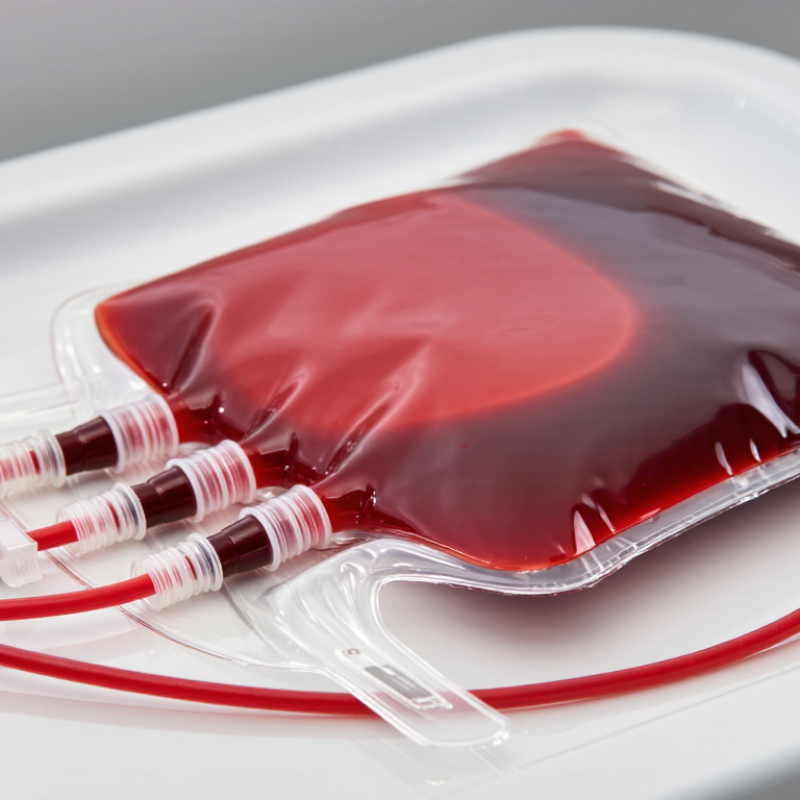
For global buyers, PVC blood bag selection starts with the bag system, not the lowest quotation. Single bags collect and store whole blood or red cells. Double bags separate red cells and plasma. Triple and quadruple systems support platelets, plasma, and cryoprecipitate preparation. More ports create flexibility, but they also increase handling points and validation work.
Plasticizer choice changes performance. DEHP-plasticized PVC remains widely used because it provides flexibility and supports red-cell storage. However, some buyers prefer alternative plasticizers, such as TOTM or DINCH, where local regulations or hospital policies require them. The correct option depends on storage solution, temperature control, tubing strength, and transfer equipment.
ISO 3826-1:2019 addresses requirements for plastic containers used with blood and blood components. It should guide technical comparisons. Do not treat it as a complete purchasing checklist.
The WHO Global status report on blood safety and availability 2021 recorded about 118.5 million blood donations worldwide. That scale reveals a practical issue: supply conditions differ sharply between regions. A quadruple bag may suit a component-processing center, but it can be unnecessary for a smaller hospital. CPDA-1 systems commonly support whole-blood storage for up to 35 days, while additive-solution systems may support red-cell storage for up to 42 days, subject to validated procedures. Storage evidence matters more than attractive packaging. I would also review seal integrity, sterile docking compatibility, needle protection, and transport testing before approval. A cheaper bag can become expensive when leakage or poor separation disrupts workflow.
Key Material and Safety Standards for Global Use
The best PVC blood bag depends on the intended use, storage temperature, and destination market. For global buyers, material safety must guide the decision. Medical-grade PVC should have consistent flexibility, strong seams, and low extractable levels. Its plasticizer also needs careful review. Some markets accept traditional plasticizers, while others prefer alternatives with a stronger toxicological profile. Do not rely on the phrase “medical grade” alone.
A dependable bag should support blood component storage without causing visible damage. Inspect the tubing, ports, labels, and needle shield. They should remain stable during transport, including cold-chain handling and repeated box movement. Biocompatibility evidence, sterility validation, and packaging integrity are essential. ISO 3826 is a useful reference for blood containers and fittings. ISO 10993 data can support biological safety evaluations. Manufacturing records should also show batch traceability, inspection results, and controlled cleanroom processes.
Global compliance is rarely identical across countries. Buyers should compare local registration requirements with international quality systems, such as GMP and ISO 13485. Ask for test reports, shelf-life evidence, and storage-condition data before approval. A bag may pass laboratory testing but still perform poorly after rough transportation. That risk deserves attention. Specification sheets can also hide small differences in tubing strength or port design. An experienced supplier should answer these details clearly, not avoid them. No checklist catches every failure, so sample testing under realistic conditions remains necessary.
What Type of PVC Blood Bag Is Best for Global Buyers?
Typical validated storage periods for blood components commonly collected in medical-grade PVC systems
Selection guidance: A globally suitable PVC blood bag should use medical-grade PVC with a validated plasticizer system, demonstrate biocompatibility under ISO 10993, and comply with ISO 3826 for plastic containers for human blood and blood components. The storage values shown are representative limits: red blood cells may be stored for up to 42 days in approved additive systems, platelets for up to 7 days under validated conditions, and frozen plasma for up to 365 days at −18°C or colder. Actual limits depend on the anticoagulant, plasticizer, processing method, storage temperature, and local regulatory requirements.
Key global checks include ISO 3826, ISO 10993, applicable pharmacopoeia requirements, and chemical restrictions such as EU REACH. Buyers should request sterilization validation, extractables and leachables data, seal integrity results, and transport validation before approval.
Choosing the Right Bag Configuration for Blood Components
For global buyers, the best PVC blood bag is rarely a single standard model. The right configuration depends on the components a hospital must prepare. A single bag suits whole-blood collection and short processing routes. Double bags support red-cell and plasma separation. Triple or quadruple systems add platelet preparation or transfer flexibility. That extra port matters when closed processing, traceability, and fewer handling steps are priorities.
The World Health Organization reported 118.5 million blood donations globally in 2019. High-income countries collected about 40% of these donations, although they represented only 16% of the world’s population, according to the Global Status Report on Blood Safety and Availability 2021.
This uneven supply makes adaptable configurations valuable. In a regional center, a quadruple system may reduce repeated transfers. In a smaller facility, unused satellite bags can increase cost and waste.
Storage conditions also influence material selection. Red cells require dependable oxygen and temperature performance, while platelets need suitable gas exchange during agitation. PVC formulations and plasticizers should therefore match the intended component and validated storage period. Relevant specifications should include sterile ports, needle design, anticoagulant volume, tubing compatibility, and centrifugation strength. ISO 3826 and local regulatory requirements provide useful reference points, but compliance alone does not guarantee operational fit. I have seen specifications look excellent on paper, yet fail when tubing lengths mismatch existing separators. That detail deserves more attention.
Comparing Suppliers, Compliance, and Total Procurement Cost
What Type of PVC Blood Bag Is Best for Global Buyers?
Price rarely identifies the best PVC blood bag for international procurement. Global buyers should compare suppliers, compliance evidence, and total procurement cost together. The World Health Organization recorded about 118.5 million blood donations worldwide in 2019. This scale makes consistent quality essential, not optional. A compliant bag should match ISO 3826 requirements, including leak resistance, container integrity, and suitability for blood components. Buyers should also review sterilization validation, biocompatibility data, and extractables testing.
Supplier comparison needs more than a product catalogue. Ask for recent batch records, certificates, stability data, and change-control procedures. Confirm whether the supplier supports destination-country registration and maintains traceable quality records.
Delivery performance matters too. A delayed shipment can disrupt collection schedules and increase emergency purchasing.
Not always obvious.
Total procurement cost includes more than the unit price. Add freight, customs handling, inspection, storage, rejected units, and disposal costs. The WHO’s Global Status Report on Blood Safety and Availability 2021 highlights uneven blood-service capacity between income groups. Therefore, local warehousing and reliable technical support may reduce operational risk.
A cheaper quote can still become expensive after transport damage or failed inspection. I would not pretend every tender model captures these risks accurately.
Some buyers still overvalue a small discount and undervalue documented consistency. A practical evaluation should score compliance, defect rates, lead time, payment terms, and support responsiveness beside price.