2026 Best PVC Compound for Global Buyers and How to Choose?
In the rapidly evolving world of PVC compounds, choosing the right option is crucial for global buyers. PVC compounds serve various industries, from construction to automotive. Industry expert Dr. Emily Carter once stated, “Selecting the right PVC compound can significantly impact product performance and longevity.” Her insights underline the importance of understanding material properties and applications.
As buyers navigate the options available, they must consider factors such as additives, processing techniques, and end-use requirements. Different blends of PVC can yield distinct qualities in flexibility, durability, and appearance. It is not merely about price; the right compound can enhance the overall effectiveness of a finished product.
However, many buyers often overlook essential criteria. They may prioritize cost over quality, leading to regret later. Reflecting on past decisions is crucial. Understanding the full spectrum of choices within the PVC compound market can pave the way for more informed, reliable decisions. Each selection carries potential implications that can shape the future of projects and products alike.

Understanding PVC Compounds: Types and Applications
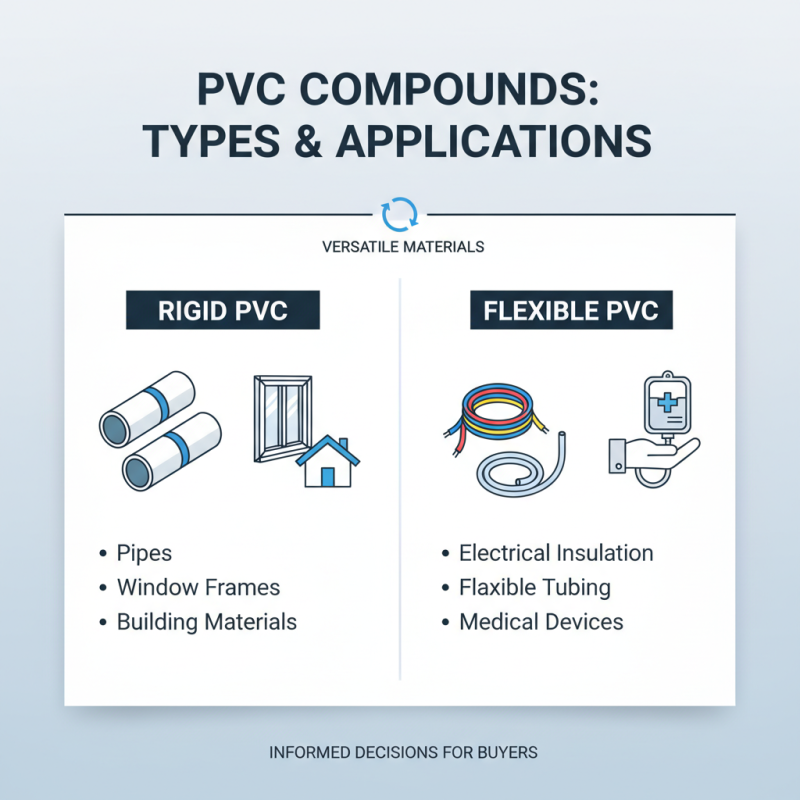
PVC compounds are versatile materials widely used in various industries. They can be classified into different types based on their composition and application. Rigid PVC is often found in building materials like pipes and windows. Flexible PVC, on the other hand, is used for electrical insulation and flexible tubing. Understanding these types helps buyers make informed decisions.
When selecting a PVC compound, consider its intended application. Factors like temperature resistance, flexibility, and durability are crucial. Some applications require UV resistance or fire retardancy. Each compound varies in performance, making it essential to assess project needs. Testing samples may reveal unexpected characteristics, such as brittleness or softness under certain conditions.
In addition to application, evaluate the environmental impact. Some compounds release harmful chemicals during production or disposal. Awareness of these factors can lead to better choices. Buyers should prioritize suppliers who focus on sustainability. An informed decision supports not only project goals but also broader sustainability efforts.
Key Factors to Consider When Choosing PVC Compounds
When selecting the best PVC compound, understanding key factors is essential. One notable aspect is the intended application. Different uses require specific properties. For instance, compounds for construction need durability and weather resistance. Conversely, medical applications demand high purity and biocompatibility. Knowing these details helps narrow down choices effectively.
Another important consideration is the processing method. PVC compounds vary significantly based on how they are manufactured. Extrusion, injection molding, or blow molding each influences material characteristics. Factors like flowability and thermal stability come into play here. It's crucial to assess the processing requirements and compatibility with production machinery.
Lastly, assessing the supplier's expertise is vital. A knowledgeable supplier can provide guidance on material selection and performance expectations. They should also offer reliable technical support and testing services. This relationship can impact product quality and reliability. Not every supplier will meet these standards, so doing thorough research is a must.
Top 2026 PVC Compound Brands for Global Buyers
When considering the best PVC compounds for 2026, global buyers have several key brands to evaluate. Notably, the PVC compound market is expected to grow at a CAGR of 5.5% through 2026, as reported by industry analysts. This growth is driven by the increasing demand for lightweight and durable materials in construction and automotive applications.
Top brands in the market exhibit a range of products, from rigid to flexible compounds. Each type serves different needs, with specific formulations enhancing impact resistance and thermal stability. Buyers should look for suppliers with proven expertise in custom formulations to meet their unique requirements. Reports indicate that 78% of successful projects relied on tailored PVC solutions, emphasizing the importance of working with knowledgeable manufacturers.
However, not all products meet consistent standards. Some companies face challenges with quality control, leading to batch-to-batch inconsistencies. This aspect is crucial for buyers to assess when selecting a supplier. Looking for certifications and product testing data can mitigate risks. In this rapidly evolving market, staying informed and critical about your options will ensure more reliable purchasing decisions.
2026 Best PVC Compound for Global Buyers and How to Choose?
| Property |
Value |
Usage |
Market/Application |
| Density |
1.3 g/cm³ |
General purpose |
Construction |
| Tensile Strength |
55 MPa |
Flexible applications |
Automotive |
| Elongation at Break |
300% |
Flexible tubing |
Medical |
| Impact Resistance |
High |
Durable products |
Packaging |
| Thermal Stability |
Up to 80°C |
Heat resistant products |
Electronics |
| Color Options |
Customizable |
Enhancement of aesthetics |
Consumer goods |
Comparative Analysis of PVC Compounds in Different Industries
When exploring PVC compounds across various industries, one must consider their specific properties. In construction, for example, rigid PVC offers exceptional durability and resistance to weather. It's commonly used in pipes and window frames. These attributes ensure longevity but might limit flexibility. Conversely, plasticizers are often added to produce softer, more flexible compounds for products like flooring and wiring insulation.
In the automotive sector, PVC compounds are crucial for interior components. The material provides thermal stability and good aesthetics, enhancing vehicle design. However, sourcing quality compounds can be challenging. Various formulations may differ significantly, affecting performance and safety standards. Buyers need to carefully evaluate their specific needs and potential compatibility issues.
Packaging is another critical application. Flexible PVC is popular in producing films and bags. It can provide moisture resistance, an essential feature for food safety. However, there are concerns regarding recycling and environmental impact. Buyers must balance the benefits of flexibility against sustainability considerations. Understanding the requirements of each industry is vital for selecting the best PVC compound.
Future Trends in PVC Compound Development and Usage
The evolution of PVC compounds is shaping their future use in various industries. Innovations focus on enhancing performance while minimizing environmental impact. Sustainable materials are becoming a central theme. Manufacturers are exploring bio-based alternatives to traditional PVC. This shift aims to reduce reliance on fossil fuels and lower carbon footprints.
Flexibility is another trend. Modern PVC compounds are being designed for diverse applications, from construction to automotive industries. Enhanced properties like UV resistance and improved thermal stability are increasingly sought after. This adaptability helps meet stringent regulatory standards. However, achieving these enhancements can be costly and time-consuming, leading to a need for careful planning and budget allocation.
User preferences are also crucial. Buyers are looking for compounds that not only perform well but also align with sustainability goals. There is a demand for transparency regarding the materials used. Industries must reflect on their processes and adopt more eco-friendly practices to meet these evolving expectations. Balancing innovation with responsibility presents challenges, urging continuous improvement in PVC compound development.