How to Choose the Best PVC Roll for Your Home Improvement Projects
When embarking on home improvement projects, selecting the right materials can make all the difference in achieving both functionality and aesthetics. One such versatile material that has gained popularity among DIY enthusiasts and home renovators is the PVC roll. PVC rolls offer a range of benefits including durability, easy maintenance, and a variety of design options, making them an ideal choice for various applications such as flooring, wall coverings, and even outdoor spaces. Understanding how to choose the best PVC roll for your specific needs is essential to ensure that your renovations not only look great but also stand the test of time.
In this guide, we will explore the key factors to consider when selecting a PVC roll for your home improvement projects. From assessing the thickness and texture to evaluating the design options and installation methods, making an informed choice will help you maximize the advantages of this remarkable material. Whether you are upgrading a room or tackling a larger renovation, the right PVC roll can transform your space and contribute to the overall appeal of your home. Join us as we unravel the essentials of choosing the best PVC roll tailored to your vision and requirements.
Understanding PVC Rolls: Types and Features
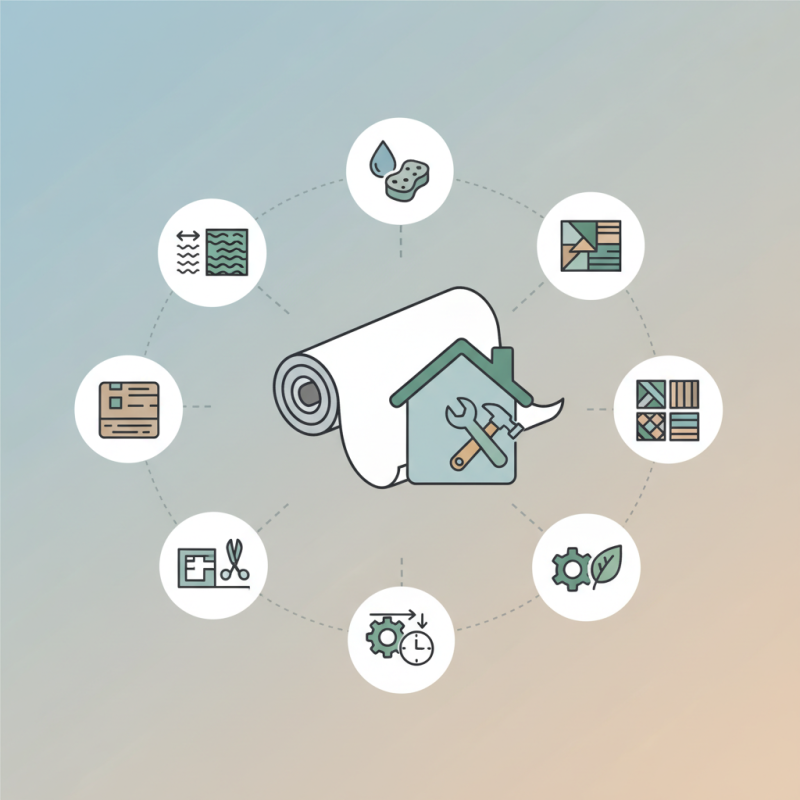
When selecting the best PVC roll for your home improvement projects, it is essential to understand the different types and features available. PVC rolls are widely used in various applications, including flooring, wall coverings, and protective surfaces. The two main types of PVC rolls are rigid and flexible.
Rigid PVC rolls are ideal for creating structured elements such as panels and frames, while flexible PVC rolls are more suitable for applications requiring a softer touch, such as cushioning or wrapping.
Moreover, key features to consider include thickness, texture, and durability. Thicker PVC rolls typically offer better resistance to wear and tear, making them suitable for high-traffic areas. The texture can impact both aesthetic appeal and functionality; for instance, a textured surface can provide increased grip, which is particularly important in flooring applications. Additionally, consider the environmental resistance of the PVC roll, such as its ability to withstand moisture, UV light, and temperature fluctuations. By evaluating these factors carefully, you can choose a PVC roll that aligns perfectly with your project needs.
Key Considerations When Selecting PVC Rolls
When selecting PVC rolls for your home improvement projects, several key considerations should guide your decision. First and foremost, one must evaluate the thickness of the PVC material, as this directly impacts durability and flexibility. For standard home applications, a thickness of 0.20 to 0.30 mm is often recommended, balancing the need for sturdiness with ease of handling. According to a report by the Vinyl Institute, the average lifespan of high-quality PVC can extend beyond 10 years, making thickness a crucial factor for long-term projects.
Another important aspect is the intended usage. PVC rolls come in various textures and finishes, suitable for different applications, from flooring to wall coverings. For instance, if you’re laying down flooring in a high-traffic area, opt for a product that provides a textured surface to enhance slip resistance. Research from the National Association of Home Builders indicates that around 30% of homeowners prioritize materials that offer both aesthetic appeal and functional benefits like water resistance and ease of maintenance, underscoring the need for careful consideration in material selection.
Finally, color and design options should not be overlooked. Many installations benefit from versatile PVC rolls that allow homeowners to match their décor. Industry trends show a growing preference for customizable designs, which can elevate a home’s aesthetic while also providing practicality. With advancements in printing technologies, manufacturers now offer an extensive range of colors and patterns, making it easier to find the perfect match for your project without sacrificing performance.
Evaluating Thickness and Durability for Home Projects
When selecting the best PVC roll for your home improvement projects, assessing the thickness and durability of the material is essential. Thickness is a critical factor because it directly impacts the material's strength and performance. For projects that require greater load-bearing capabilities or are exposed to harsher conditions, thicker PVC rolls provide enhanced support and longevity. Typically, thickness ranges from 10 to 30 mils; choosing a thicker option may be worthwhile for flooring applications or outdoor uses where resilience is key.
In addition to thickness, durability is determined by the quality of the PVC and its resistance to wear and environmental factors. High-quality PVC is designed to withstand moisture, UV light, and temperature fluctuations, making it suitable for a variety of applications, from indoor renovations to outdoor installations. When evaluating durability, consider factors such as tear strength, impact resistance, and ease of maintenance. A durable PVC roll will not only perform reliably over time but also reduce the need for frequent replacements, ultimately proving more cost-effective for your home improvement needs.
Color and Design Options for Aesthetic Appeal
When selecting the best PVC roll for your home improvement projects, one key aspect to consider is the color and design options available.
Manufacturers now offer a wide palette of colors, ranging from vibrant hues to muted tones, allowing you to choose a shade that perfectly complements your home’s aesthetic.
For instance, if you’re aiming for a modern look, consider selecting sleek, neutral colors like gray or beige that can create a sophisticated backdrop for your decor.
Bright colors can add a playful touch to more casual spaces such as playrooms or patios.
In addition to color, the design patterns available in PVC rolls can significantly enhance the visual appeal of your project.
From classic wood grain finishes to contemporary geometric prints, these patterns provide unique textures and motifs that can elevate the overall look.
For areas like kitchens or bathrooms, opting for patterned PVC can introduce an element of interest and depth, making the space feel more dynamic.
Ultimately, when choosing a PVC roll, consider how the color and design will work together to create a cohesive and inviting atmosphere in your home.
Installation Tips for Optimal Performance and Longevity
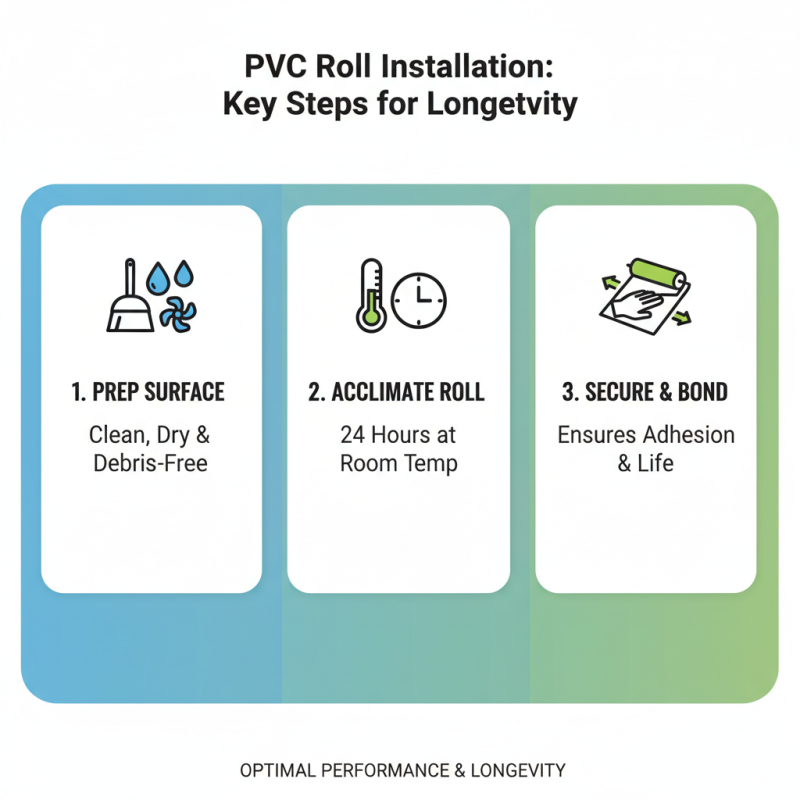
When installing PVC rolls for your home improvement projects, proper preparation and installation techniques are crucial for ensuring optimal performance and longevity. One of the first steps is to ensure that the surface is clean, dry, and free of any debris. This helps the adhesive bond more effectively, extending the life of your PVC roll. Additionally, acclimating the rolls to the room temperature for at least 24 hours before installation can help prevent expansion or contraction after they are laid down.
Another important tip is to use the correct adhesive for your specific type of PVC. Not all adhesives are created equal; some are designed for high-traffic areas, while others may be more suitable for residential use. Applying adhesive evenly, without excess, will not only improve the bond but also prevent bubbling and lifting over time. Finally, avoid placing heavy furniture directly on newly installed PVC rolls for at least 48 hours to allow the adhesive to cure fully. By following these tips, you can ensure that your PVC roll installation provides lasting beauty and durability for your space.