What Is PVC Roll and What Is It Used For?
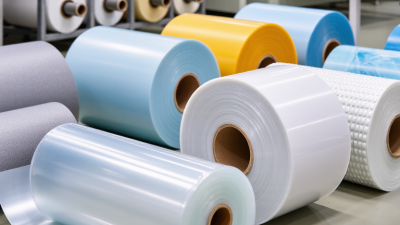
A PVC Roll is a flexible sheet of polyvinyl chloride wound around a cardboard core. It may look simple on a warehouse shelf, yet its thickness, finish, and formulation shape how it performs. Clear rolls can protect goods while keeping labels visible. Colored or printed rolls can define a display, cover a surface, or support packaging work. Some are soft and pliable; others feel firm beneath the hand.
Uses vary with the product’s design. Shops and manufacturers may use PVC Roll for protective curtains, table coverings, signage, packaging, or temporary surface protection. A roll is convenient: workers can measure and cut the length they need. The edge may curl, though, and a glossy surface can show scratches more readily than expected. Small details matter.
Choosing a suitable roll starts with the task. Check the stated thickness, width, finish, and intended use. Consider how much handling or abrasion the material will face, and ask the supplier for a technical data sheet when performance matters. A product photograph alone cannot confirm those details. One important note: no verifiable expert quotation was provided, so I won’t invent a named specialist or attribute an unverified sentence. A credible introduction deserves a traceable source. It should also leave room for practical judgment: specifications help, but the actual working conditions can still surprise you.
What PVC Roll Is and How It Is Structured
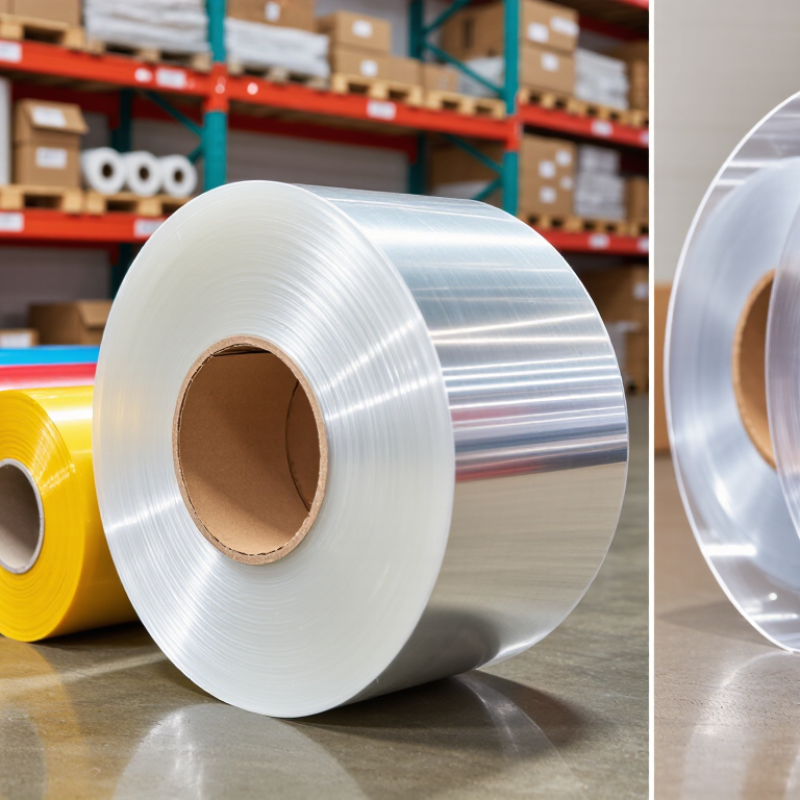
A PVC roll is a continuous sheet of polyvinyl chloride wound around a cardboard or plastic core. It may be flexible or semi-rigid, depending on its formulation and thickness. PVC resin forms the base, but processors blend it with additives to achieve specific properties. Plasticizers make the sheet more flexible; stabilizers help it tolerate heat during manufacturing and use. Pigments provide color, while fillers can affect stiffness, weight, and surface feel. Formulations vary.
The structure is not always the same. Some rolls are made from a single compounded layer. Others combine several layers for different functions. A typical construction may include a colored or printed face, a PVC body, and a clear protective coating. That coating can help resist scuffs or stains, though results depend on its material and thickness. Some products also have fabric or foam backing for grip, cushioning, or added support. Look closely.
A cut edge can reveal whether the color runs through the sheet or sits near the surface. It may also show the layers and their thickness. PVC sheets are commonly formed through extrusion or calendaring, processes that influence texture and consistency. Small details matter: thickness tolerance, roll width, surface finish, and core diameter can affect handling and installation. Check a technical data sheet rather than judging by appearance alone. A glossy sample can mislead.
Materials and Manufacturing of PVC Rolls
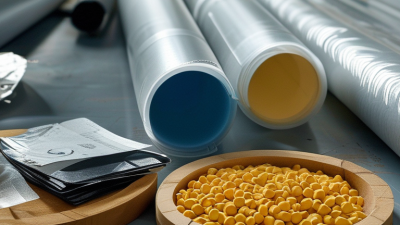
PVC roll begins with polyvinyl chloride resin, a fine white powder that forms the base of the material. Manufacturers blend it with additives to adjust flexibility, color, strength, and resistance to sunlight or wear. Plasticizers can make a roll softer, while stabilizers help it withstand heat during processing. Fillers may change its cost, weight, or feel. The exact recipe depends on the intended use.
The blended material is heated and shaped, commonly through calendaring or extrusion. In calendaring, warm PVC passes between large rollers that press it into a continuous sheet. Extrusion pushes softened material through a shaped opening. Cooling rollers then help set the sheet before it is wound into a roll. Some surfaces receive an embossed pattern, such as a fine texture that improves grip or hides small marks.
Small details matter. Temperature, roller pressure, and line speed can affect thickness and finish. Quality checks may measure sheet thickness, inspect color, and test flexibility. Even careful production can leave slight variation across a roll, so it is worth checking the material against its stated specifications. PVC rolls are not all alike; a soft decorative sheet and a firm protective layer need different formulations and processing settings.
Common Types and Key Properties of PVC Rolls
PVC rolls come in several forms, each suited to different handling and visibility needs. Clear flexible PVC lets light through and is often used for protective curtains, covers, and packaging. Opaque rolls provide privacy or block light, while colored versions can make sections easier to identify. Embossed PVC has a patterned surface that can improve grip or reduce glare. Reinforced rolls include a fabric layer for added strength. Not all rolls feel alike.
Flexibility depends partly on thickness and plasticizer content: a thin roll bends easily, while a thicker one feels firmer. PVC generally resists moisture and many everyday cleaning agents, but heat and prolonged sunlight may cause softening, discoloration, or reduced service life. Check the product specifications for thickness, working temperature, and chemical compatibility before choosing. Small details matter. A clear roll may look suitable, yet become stiff in a cold workspace. I would not select by appearance alone; intended use and installation conditions deserve equal attention.
How PVC Rolls Are Used Across Different Industries
PVC rolls provide flexible sheet material that can be cut to fit equipment, floors, or work areas. Their properties vary by thickness, finish, and formulation, so one roll may suit a very different task from another. In workshops, clear PVC strip curtains can separate zones while allowing people and carts to pass through. They also help reduce drafts and airborne dust, though they are not a substitute for proper ventilation. Small details matter.
Construction crews use heavier PVC sheeting to cover floors, shield materials from splashes, or create temporary partitions. In warehouses, durable PVC curtains can help divide storage areas and soften noise from busy work zones. Agricultural operators may use suitable PVC film for greenhouse coverings or internal partitions, where light transmission and weather resistance affect performance. Scratches and yellowing can still become problems over time.
In food processing and healthcare settings, PVC surfaces and curtains may support cleaning routines when the material is specifically rated for the intended contact and cleaning agents. Not every PVC roll is suitable for food contact or repeated disinfecting. That distinction is easy to overlook. Before choosing a roll, users should check its thickness, temperature range, flexibility, and compatibility with chemicals, then test a small section under real working conditions.
Factors to Consider When Choosing a PVC Roll
Choosing a PVC roll starts with its job. For a clear curtain, check light transmission, thickness, and flexibility; for a workshop floor, prioritize abrasion resistance and surface grip. Match the roll width to the installation to reduce seams and waste. Also consider temperature: a grade that bends easily in a warm room may stiffen in a cold loading area. Ask suppliers for technical data sheets and test conditions, not just broad claims such as “heavy duty.” Details matter.
Check chemical exposure, cleaning methods, and expected service life. Oils, solvents, and repeated washing can affect some PVC formulations, so request compatibility guidance for the substances and temperatures involved. The VinylPlus Progress Report 2024 records more than 700,000 tonnes of PVC recycled in Europe during 2023. That figure signals an established recycling stream, but it does not mean every roll is accepted locally. Confirm the product’s composition and nearby collection options before buying.
Tips: Compare thickness in millimetres, then inspect a physical sample under the lighting where it will be used. Bend it. Wipe it. Check whether edges curl or the surface scratches easily. One imperfect detail: sample tests cannot fully predict years of wear, especially where foot traffic or heat varies. Ask about warranty limits and replacement availability before placing a large order.
What Is PVC Roll and What Is It Used For?
PVC roll is flexible polyvinyl chloride supplied in a continuous sheet. It is used for applications such as clear film, strip curtains, flooring, and protective covers. The chart shows indicative thickness ranges; actual products vary by use and manufacturer.
When choosing a PVC roll, consider the application, thickness, flexibility, clarity, durability, and the conditions it will face.