Top Benefits of Using PVC Roll for Global Buyers?
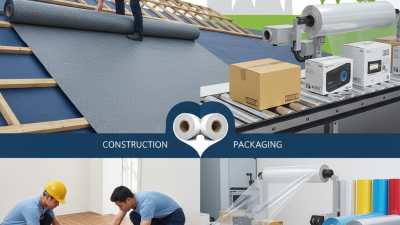
The use of PVC roll has gained significant traction among global buyers. This material, known for its versatility and durability, offers various advantages across multiple industries. From construction to packaging, PVC roll serves as a reliable solution for a wide range of applications.
One of the key benefits of using PVC roll is its cost-effectiveness. Businesses can save on expenses while maintaining quality. This is crucial in today’s competitive market. Additionally, PVC roll is easy to install and maintain, which appeals to manufacturers. However, potential buyers must consider the environmental impact of PVC production. It’s essential to weigh the benefits against possible sustainability concerns.
The market for PVC roll continues to expand. This growth presents opportunities for international trade and innovation. Buyers should stay informed about the latest trends and regulations. Understanding them can enhance decision-making. In conclusion, PVC roll offers practical advantages, yet awareness of its drawbacks fosters thoughtful usage.
Advantages of PVC Roll for Packaging and Shipping
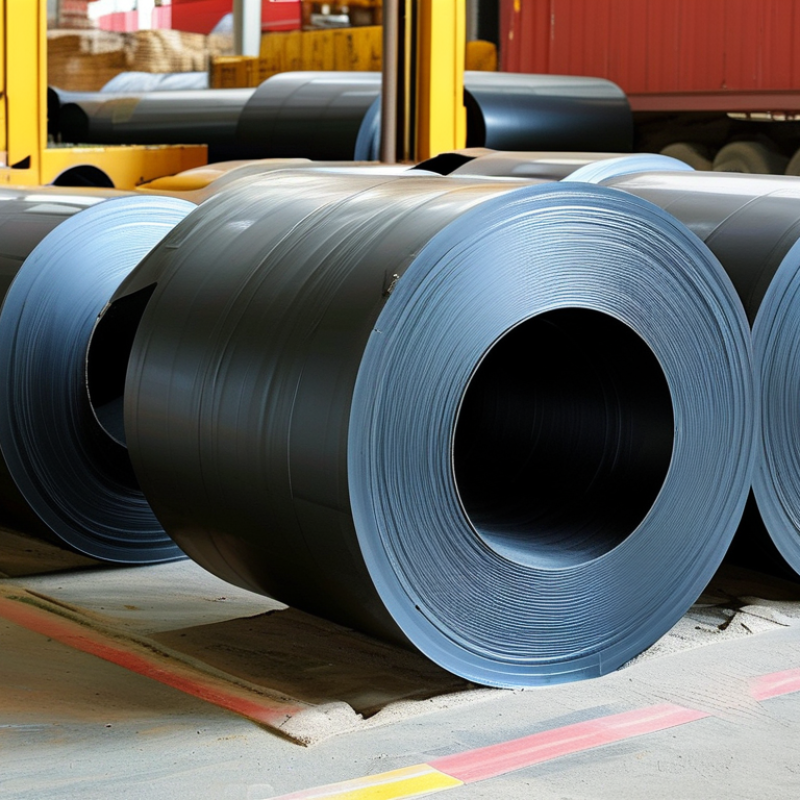
PVC rolls have emerged as a popular option for packaging and shipping needs worldwide. One significant advantage is their durability. These rolls withstand various environmental conditions. They resist moisture, making them ideal for transporting goods that need protection from the elements. Their tear-resistant nature also ensures that packaged items remain safe from damage during transit.
Additionally, PVC rolls are lightweight. This attribute helps reduce shipping costs. Businesses can save on freight expenses while still ensuring their products are well-protected. The flexibility of PVC makes it easy to customize sizes. Buyers can order specific dimensions that meet their unique requirements, enhancing operational efficiency.
However, some buyers may hesitate due to concerns about sustainability. PVC is a synthetic material, and its production does have environmental impacts. Companies must reflect on how to balance costs and environmental responsibility. Finding ways to recycle or repurpose used PVC rolls can be a step toward more sustainable practices. This awareness can lead to more thoughtful choices when selecting packaging materials.
Cost-Effectiveness of PVC Rolls in Bulk Purchasing
PVC rolls present significant cost advantages for global buyers, especially when purchased in bulk. According to industry reports, bulk purchasing can reduce material costs by up to 30%. This is primarily due to lower shipping and handling expenses per unit. Typically, buyers benefit from economies of scale, which allows them to negotiate better prices.
The use of PVC rolls in various industries, including construction and manufacturing, has been growing. Data shows that the global demand for PVC materials is projected to reach 50 million tons by 2025. With increasing production, bulk buyers can secure stable pricing over time. This minimizes risks associated with fluctuating market prices.
Moreover, while PVC rolls are often favored for their durability and versatility, not all suppliers maintain high-quality standards. Relying solely on cost may lead to quality inconsistencies. Buyers should balance cost with supplier reliability. Choosing the right vendor is crucial to ensure that the product meets specific application needs. The right balance can lead to long-term savings and enhanced operational efficiency.
Top Benefits of Using PVC Roll for Global Buyers - Cost-Effectiveness of PVC Rolls in Bulk Purchasing
| Benefit |
Description |
Cost Savings (%) |
Bulk Purchase Quantity |
| Durability |
PVC rolls are resistant to corrosion and weathering. |
15% |
500 meters |
| Versatility |
Suitable for various applications like flooring, banners, and packaging. |
10% |
300 meters |
| Lightweight |
Easier to handle and transport compared to other materials. |
5% |
1000 meters |
| Cost Efficiency |
Lower material costs in bulk and minimal waste. |
20% |
2000 meters |
| Easy Maintenance |
Simple cleaning and upkeep requirements. |
8% |
750 meters |
Durability and Versatility of PVC Rolls in Various Applications
PVC roll materials are increasingly recognized for their exceptional durability and versatility across a range of applications. According to industry studies, PVC can withstand harsh environmental conditions, showing resistance to wear and tear. Research indicates that products made from PVC can last over 20 years, significantly reducing the need for replacements.
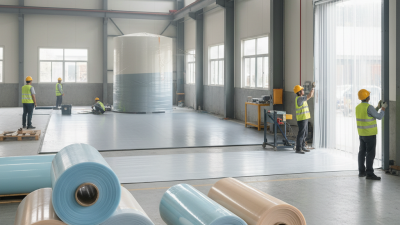
The versatility of PVC rolls allows them to be used in various sectors, including construction, healthcare, and consumer goods. For example, their lightweight nature makes them an ideal choice for floor coverings in high-traffic areas. In the healthcare sector, PVC's antibacterial properties enhance hygiene, making it a preferred material for medical devices and surfaces.
Moreover, the adaptability of PVC rolls means they can be easily customized. This flexibility allows manufacturers to meet specific needs for insulation, waterproofing, and other functions. However, the environmental impact of PVC production must be considered. The challenge lies in finding a balance between the durability of PVC and sustainable practices. As global buyers weigh these factors, the focus on innovation in recycling methods offers hope for a more sustainable future in PVC usage.
Environmental Considerations and Recyclability of PVC Materials
PVC materials are becoming increasingly popular due to their versatility and durability. However, their environmental impact is a significant concern for many buyers. Understanding the recyclability of PVC is crucial for sustainable practices. PVC can be recycled multiple times without degrading its properties. This means it can be repurposed into new products, reducing waste.
Many consumers are unaware of the specific processes involved in PVC recycling. Used PVC products can be collected, sorted, and cleaned. After processing, they can be transformed into raw materials for new applications. This innovative cycle helps conserve resources and reduces the demand for virgin materials.
Yet, challenges persist. Not all PVC products are recyclable, and contamination can hinder the recycling process. Consumers must be attentive and informed about the types of PVC they use. Awareness is essential in making eco-friendly choices. Choosing recyclable options can support a greener future, but this requires collective effort and responsibility.
Ease of Use and Handling Benefits of PVC Roll Products
PVC rolls have gained popularity among global buyers due to their ease of use and handling. One key advantage is their lightweight nature. Users can easily transport and manipulate PVC rolls without the risk of injury. According to a market research report by Smithers Pira, the demand for lightweight materials is increasing in packaging and construction, with a projected growth rate of 4.7% annually.
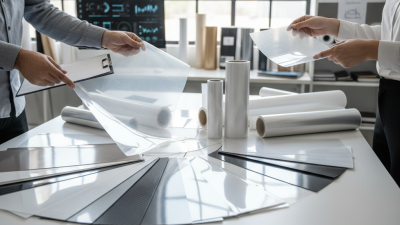
Moreover, PVC rolls can be easily cut and customized to fit specific needs. This flexibility allows manufacturers to minimize waste and streamline production processes. A notable statistic from Statista shows that 78% of manufacturers prefer materials that allow for quick adjustments during production. This adaptability not only saves money but also improves efficiency.
Tip: When handling PVC rolls, ensure you use a sharp cutting tool. This ensures clean cuts and reduces the risk of tearing.
While PVC rolls are easy to use, some users may encounter issues with curling or buckling. These problems can arise if insufficient care is taken during storage. It’s essential to keep the rolls in a well-ventilated area, away from direct sunlight for optimal longevity.
Tip: Store PVC rolls vertically to prevent deformation.